History of Aguilar - Yesteryears, Todays Dreams
Because of the continued labor disputes between the United Mine Works of America and coal operators, my family was forced to vacate the premises in Delaqua. Coal miners that were in empathy with the United Mine Workers of America, were asked to leave. The houses were company owned, so our family moved to a farm west of Aguilar known as the Cordova Ranch. Means of transportation was horse and carriage.
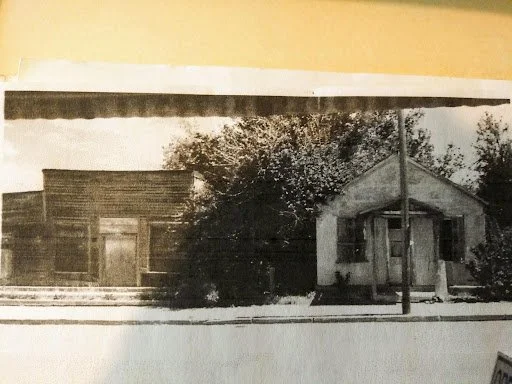
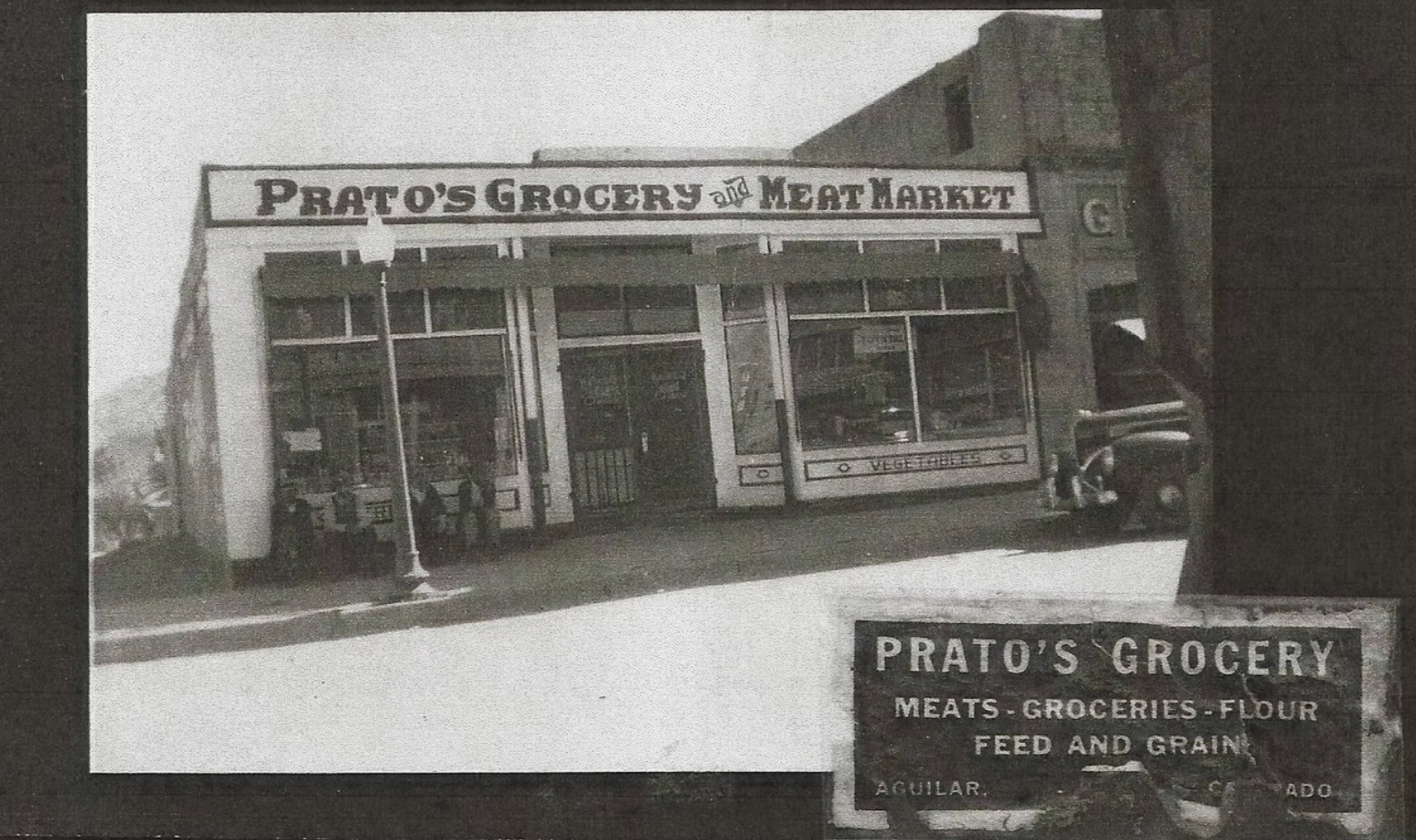
My early recollections linger as I walk down memory lane. We left Delagua one early Spring. Belongings and family of John, Douglas, Joe, Margaret and I, Mother & Father, John & Bertha Bon. On entering the town of Aguilar, I was intrigued and impressed. The Main Street of Aguilar was lined with beautiful trees on both sides from east to west. Hitching posts were carefully placed in front of business establishments. The convenience of hitching the horse & carriage while customers tended to their needs. There were 6 grocery stores, 3 theatres, one JC. Penny Store, the Aguilar Bank, Mcnamara Store (later the Safeway Store). One Post Office, the Smith
Written by Bertha Pratto 10-30-1992
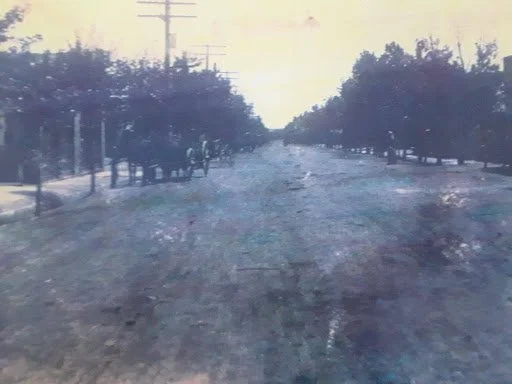
Hardware Store, 2 hotels, Pomas and the Arcade, Church, one Lunch Wagon & the Corretti Mortuary, St. Anthony’s of Padua Catholic Church affiliated with the Trinidad Parish, a dance pavilion located on the old ball ground north of Town. There also was a small make-shift hospital to meet emergencies with 3 or 4 bed capacity with Miss Whitaker as nurse & overseer. Surgery was performed by a surgeon, Dr. Sandoval from Walsenburg. There were 2 resident doctors, Horsky and McClelland. Previous to them were Drs Davis and Duncan.
Coal mining & farming were the sources of family income. Coal production was the main industry. In existence were the Royal Mine entered by a deep shaft, the Empire, Jewel, plus several small wagon-wheel mines & Brodhead, a coal suburb of Aguilar. Coal was produced for cooking and heat to the local residence. A rail track was also a part of the community. Coal was shipped out of Brodhead, Royal & Empire mines to other destinations. Population amounted to approximately 3000. Also a bake shop, a meat market operated by the Coppa Family. School attendance was rather small. A few students from the eighth grade continued their schooling. All seem to be concerned on making money & working at an early age. School buses were non- existent. My sister and I had to leave home & move to the city where we worked for our room & board while we pursued our high school academies. Library needs were nil; one had to go to Trinidad for reading material. It was at this time that Sears Roebuck introduced the first book club. It was very convenient and kept the populace informed of the latest & most wanted reading material. There also was a small press office that published a weekly paper, with weekly news.
Besides the Catholic Church, there were Protestants, The Community Church and another denomination known as the “Holy Rollers”. The law enforcement was taken care of by one town marshall known as Mr. Fawcett. He walked the streets and alleys on foot. A car was one unknown commodity in those days. The Fire Department consisted of a fire truck and 2 firefighters. Indoor plumbing was a vanity, every household had an outdoor latrine. Very few establishments had running water inside and indoor toilet facilities.
Holidays were gala affairs. The Mayor & Town Council would sponsor local entertainment. The Fourth of July or Independence Day & Labor Day were the two major events of the year which brought out-of-town folks to the city. A small band of local musicians kept the musical world alive. Most of them were volunteers that brought their talents from Italy, France, Spain & Yugoslavia. Entertainment was also provided by the small band that was conducted by a Italy native known as Martin Targetta. Competition in horse racing, foot races, horseshoe games, ball games and pitching rolling pins. Organizations were few; Knights of Pythias, a Protestant Organization, the Eagles and Altar Society of St. Anthony’s Church were the sole organizations at the time. Organizations were few; Knights of Pythias, a Protestant Organization, the Eagles and Altar Society of St. Anthony’s Church were the sole organizations at the time. Later the Italian Lodge under the auspices of Sam Brocatto, who was the Mayor of the town became known, also the Slavish Lodge came into existence by the Slovenian folks. Prohibition was the law of the Universe, so there were no liquor establishments. The Italian immigrants favored their wine, & home brew was allowed. Every fall of the year, people placed their orders for wine grapes from the California vineyards. A boxcar of grapes would arrive by rail. The Baudino Transfer Company would distribute it the respective folks who made a practice of making their own wine known as “Dago Red”. Beer too, was brewed by different households for their own private use. On the outskirts (of town) there were two families that raised milk goats. This goat milk was provided to those that required it. The Aguilar Dairy came into existence. It was hosted by a family east of Aguilar on the Highway to Trinidad. Mike Blahuh had a small herd of dairy cattle and thus the dairy needs were met. Home deliveries did not come into existence until Joe Clark established his dairy herd on the far western skirts of Aguilar.
Many moons have passed as well as many of the former residents over a space of years from 1921 to 1992. Changes have been many; improvements in housing, plumbing & education. Radio & TV, and telephone, had a tremendous impact on the life- style of the residents. Electronics, computers, astronauts & space technology have become major universal factors.